Featured
Table of Contents
- – The Headless CMS Change Nobody Discuss
- – What AI-Powered Actually Means (Versus Advert...
- – Ecommerce Beyond Shopify Templates
- – Lead Generation Sites That Don't Draw
- – Why Agencies Avoid Complex Constructs
- – The Build vs. Buy Estimation
- – What Excellent Growth Agencies Really Supply
- – The AI Development Knowing Curve
- – Making the Right Agency Choice
I've been considering internet growth companies for the past month, and honestly, most of them are stuck. They're still pitching WordPress with an exceptional style, possibly some customized CSS if you're fortunate, and calling it "" personalized growth."" Your rivals are shipping sites with AI chat interfaces, vibrant content generation, and headless CMS designs that actually range.
The space between what's feasible and what the majority of companies deliver has actually never been wider. AI-powered growth isn't practically slapping ChatGPT onto your call web page. It's fundamentally transforming exactly how sites get constructed, how material obtains handled, and what "" personalized"" really implies in 2025.
The Headless CMS Change Nobody Discuss
Standard WordPress or Squarespace arrangements make feeling for basic brochure sites. But the minute you need anything sophisticated-- multi-channel content shipment, customized user control panels, real-time information integrations-- you hit a wall fast.
Strapi and comparable headless CMS systems transformed the game. Your web content lives in one area, available via API, and your frontend can be anything: a React app, a mobile interface, multiple advertising sites pulling from the same content pool. You're not secured into whatever templating system your CMS forces on you.
The agencies in fact doing this appropriate build the backend and frontend as separate problems. Content editors get clean, organized interfaces for handling every little thing. Developers obtain total flexibility to develop whatever user experience makes good sense. Advertising and marketing teams can press content to internet, mobile, e-mail projects, and third-party systems from one source of reality.
Most firms do not pitch this due to the fact that it's more challenging to offer. Clients listen to "" brainless CMS"" and their eyes polish over. They wish to see rather mockups, not conversations about API designs and material modeling. So firms maintain developing monolithic WordPress sites that'll require total rebuilds in 3 years.
What AI-Powered Actually Means (Versus Advertising And Marketing Fluff)
Every agency currently asserts to construct "" AI-powered sites."" Most of them imply they integrated an OpenAI API contact us to a chatbot widget. That's great, however it's not what makes a site actually intelligent.
Actual AI integration implies vibrant content generation based upon user behavior, customized UX that adjusts to different site visitor sections, automated lead qualification that transmits questions smartly, and all-natural language user interfaces for complex searches or filtering. It indicates the site obtains smarter gradually instead of being a fixed pamphlet.
I have actually seen e-commerce sites that make use of AI to generate product summaries, optimize prices dynamically, and create customized bundle suggestions that really transform. Lead generation websites that qualify prospects with conversational user interfaces and course them to the ideal sales associate instantly. Web content sites that adapt their navigating and referrals based upon how users in fact browse, not exactly how the developer thought they would.
The technical execution issues. Are you just calling APIs and hoping they stay available and budget-friendly? Or are you constructing systems that can exchange models, make improvements on your data, and degrade gracefully when services are down? Most firms do the previous because it's less complicated.
Ecommerce Beyond Shopify Templates
Shopify works terrific for straightforward retail. But complicated B2B shopping, membership models with customized billing logic, multi-vendor industries, or inventory systems that sync with real storehouse monitoring-- that's where you require real personalized development.
The agencies squashing it in this space develop on systems like Strapi or custom Node.js backends, incorporate with whatever payment cpu makes sense for your service design (not simply Red stripe), and develop admin interfaces that match your real process instead of requiring you into Shopify's assumptions about just how business functions.
Custom-made ecommerce growth costs extra ahead of time. Obviously. But if you're doing $2M+ in yearly earnings and Shopify's limitations are costing you 15% in conversion price or functional efficiency, the ROI mathematics changes quick. Shopify's 2.9% + 30 cents per purchase additionally builds up-- personalized payment integration can cut that significantly at range.
The genuine value appears in functions Shopify can't do: complex B2B prices with customer-specific brochures, quote-to-order process, combination with heritage ERP systems, customized delivery calculations based on real-time storage facility information. You require developers who recognize both e-commerce and your specific service reasoning.
Lead Generation Sites That Don't Draw
A lot of list building websites comply with the same weary playbook: hero area with vague value prop, 3 benefits with supply symbols, call form that asks for excessive information, maybe a rates table. Conversion prices float around 2% and every person shrugs like that's typical.
Much better agencies develop lead gen websites as actual funnels. Different touchdown web pages for various traffic sources and intent degrees. Progressive profiling that does not ask for every little thing upfront. Conversational interfaces that certify leads prior to sending them to sales. Real-time combination with your CRM so leads do not being in a spread sheet for 2 days.
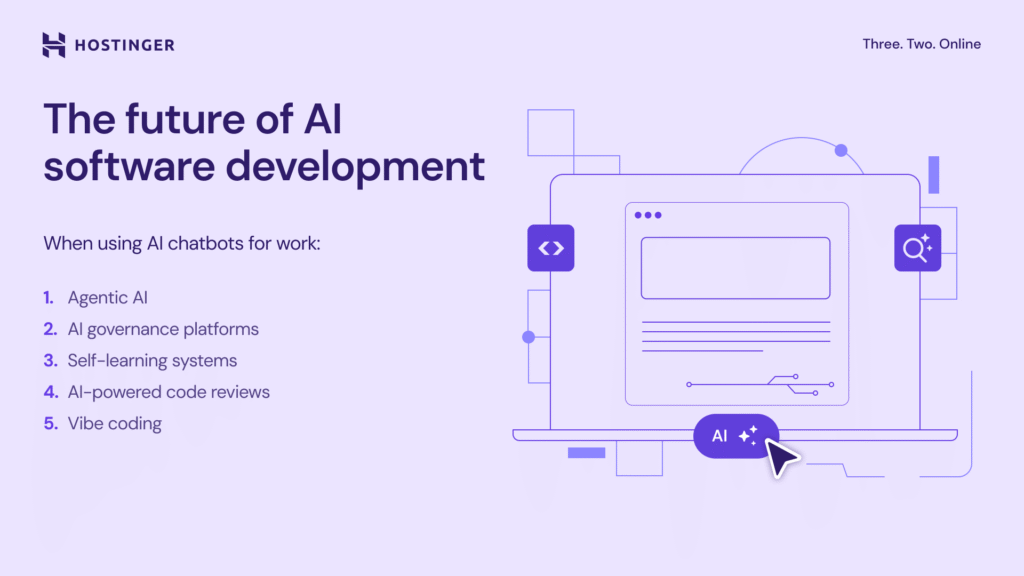
AI modifications list building basically. Rather than static types, you can have smart conversations that adapt based upon responses. Rather of sending every questions to the same inbox, you can course qualified leads instantly. As opposed to one-size-fits-all touchdown pages, you can create tailored content based on recommendation source, sector, or business size.
The technological pile matters here also. Sites developed on modern-day JavaScript structures load quicker, really feel more responsive, and can do client-side recognition and dynamic web content without web page reloads. Customers expect app-like experiences now, not clunky kind entries with full page rejuvenates.
Why Agencies Avoid Complex Constructs
Below's the uneasy reality: many internet advancement agencies stay clear of advanced jobs since they're tougher to range, more challenging to provide productively, and call for better programmers that set you back more.
Developing a personalized Strapi backend with AI combinations and complicated organization logic takes senior designers. You can't offshore it to junior devs following tutorials. You need people that comprehend information modeling, API layout, verification systems, and how to build something that won't break down when traffic scales.
Agencies enhanced for quantity prefer to crank out ten $15k WordPress sites than one $150k custom-made develop. The margins look better, the timelines are predictable, and they can utilize less expensive resources. Yet if you need something innovative, you're losing time and cash trying to compel it right into their template-based procedure.
The Build vs. Buy Estimation
For simple demands, SaaS systems make complete sense. Don't build a customized blog site when Ghost or WordPress does it great. Do not build customized e-commerce when Shopify helps your design. Don't develop a customized CRM when HubSpot or Salesforce exists.
Yet the minute you need something details to your business version, the estimation turns. Paying $500/month for a SaaS that does 70% of what you require, then investing an additional $2k/month on workarounds and assimilations-- that's often extra expensive long-lasting than building specifically what you need as soon as.
Personalized advancement makes good sense when your service has unique workflows that are affordable advantages, when assimilation requirements are complicated sufficient that middleware expenses accumulate, when you're scaling quickly and SaaS pricing comes to be unpleasant, or when you need to own your data and facilities completely.
What Excellent Growth Agencies Really Supply
The agencies doing this right do not just write code. They start with discovery to understand your actual business problems, not just what you think you require technically. They record every little thing appropriately so you're not secured forever. They build with modern heaps that various other programmers can keep. They set up staging settings and release pipes so updates don't break manufacturing.
They're likewise honest about timelines. Custom development takes longer than templated builds. An advanced ecommerce platform may be 3-6 months, not 6 weeks. AI integrations need time for screening and improvement. Any individual encouraging complicated integrates in unrealistic timeframes is either lying or intending to supply rubbish.
Excellent agencies also intend for maintenance from the first day. Personalized websites require updates, protection patches, dependency upgrades, and occasional feature additions. They established surveillance, error tracking, and back-up systems. They document their code so your following developer doesn't need to reverse-engineer whatever.
The AI Development Knowing Curve
Structure AI-powered websites in 2025 needs constantly discovering new tools and methods. Designs improve every few months. New APIs launch. Ideal methods progress. Agencies that obtained comfy with their tech pile in 2020 are currently behind.
This turns up in proposition information. Are they discussing certain versions and use situations, or simply unclear pledges regarding "" AI assimilation""? Do they comprehend token limitations, latency factors to consider, and cost administration? Have they developed this previously, or are they planning to figure it out on your dollar?
The finest firms treat AI as infrastructure, not functions. They develop systems where you can exchange models, adjust criteria, and repeat on prompts without code modifications. They prepare for scenarios where APIs are sluggish or inaccessible. They consider costs at scale, not simply the demonstration.
Making the Right Agency Choice
Picking an internet growth company isn't about locating the least expensive option or the one with the most beautiful portfolio. It has to do with discovering individuals who have actually constructed what you're attempting to construct, comprehend your technological requirements deeply, and can supply something that ranges with your organization.
Inquire about their technology stack and why they chose it. Ask to speak with previous clients with comparable complexity. Ask just how they take care of ongoing upkeep and updates. Ask concerning their advancement process, screening method, and exactly how they handle extent changes.
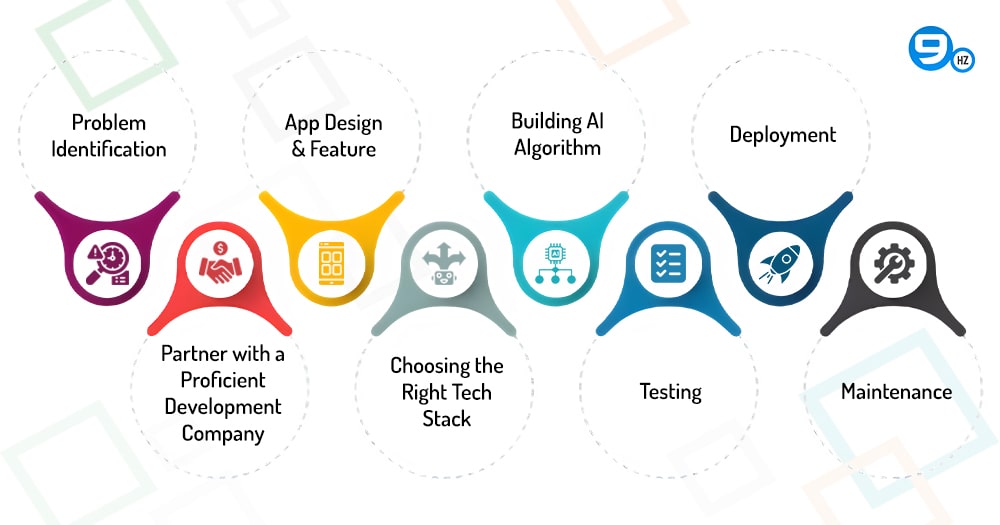
The firms worth working with will ask you uneasy questions about your service design, customer operations, and technological restrictions prior to suggesting services. They'll press back on bad concepts and recommend alternatives. They'll be honest regarding what's tough and what's difficult.
If a firm promises everything is very easy and quick, run. Custom-made development is neither. But done right, with people who know what they're doing, it's the distinction in between a website that's a cost center and one that's actually a growth engine.

Table of Contents
- – The Headless CMS Change Nobody Discuss
- – What AI-Powered Actually Means (Versus Advert...
- – Ecommerce Beyond Shopify Templates
- – Lead Generation Sites That Don't Draw
- – Why Agencies Avoid Complex Constructs
- – The Build vs. Buy Estimation
- – What Excellent Growth Agencies Really Supply
- – The AI Development Knowing Curve
- – Making the Right Agency Choice
Latest Posts
The Mindset of Online Therapy Clients
Finding the Right Dent repair Provider for Your [a:specialty] Practice
Constructing Expandable Web Architectures powered by Flexible Content Solutions combined with Modern Solutions
More
Latest Posts
The Mindset of Online Therapy Clients
Finding the Right Dent repair Provider for Your [a:specialty] Practice
Constructing Expandable Web Architectures powered by Flexible Content Solutions combined with Modern Solutions